Travel Tips + 3 Week Itinerary: Kenya, Uganda, Mozambique & Namibia
So you want to travel to Africa but you don’t know where to begin?
I just got back from an epic trip to several countries on the continent so I got you!
Embarking on a journey to Africa is an exciting and enriching experience. With its diverse landscapes, vibrant cultures, and incredible wildlife, the continent offers a unique adventure for travelers. I decided to visit Kenya, Uganda, Mozambique, and Namibia for my honeymoon and we had an amazing time.
In this guide, I’ll be providing you with all of my best tips, tricks, and recommendations for traveling to Africa. I’ll also be sharing my exact itinerary to help inspire you and make your journey less daunting and more accessible.
Top 10 Things to Know Before Traveling to Africa
Here are the top 10 things you should know before traveling to Africa to ensure a smooth and enjoyable trip.
-
Visa and Entry Requirements: Before planning your trip, research the visa and entry requirements for the specific country or countries you plan to visit. Each nation may have different regulations, so it’s essential to obtain the necessary visas and permits well in advance. More and more countries are adjusting their visa requirements, making it even easier to travel.
-
Health Precautions: Africa is home to various tropical diseases, although this is not the case for all parts of all countries. It’s crucial to consult with a healthcare professional and know which exact regions you’re visiting so you can get the best advice about vaccinations and health precautions. Carry necessary medications, insect repellents, and be cautious about food and water safety. Don’t assume all countries are the same and do your research.
-
Cultural Sensitivity: Africa is incredibly diverse, with numerous ethnicities and cultures. Be respectful and aware of local customs and traditions. Dress modestly when required, ask for permission before taking photos, and learn a few basic phrases in the local language to show respect.
-
Currency and Payment Methods: Familiarize yourself with the local currency and exchange rates. While credit cards are widely accepted in urban areas, it’s advisable to carry some cash, especially when traveling to more remote locations. For us, For us, in Kenya, we used credit cards but needed cash in Uganda and Namibia. Mozambique was a little bit of both, depending on the area and what you’re looking to purchase.
-
Transportation and Infrastructure: Understand the transportation options available in the region you’re visiting. Africa has a range of transportation methods, from well-developed infrastructure in some areas to more challenging conditions in others. It also depends on where in the country you’re visiting. Our drive near the airport in Uganda was easy but driving through the Bwindi forest is a challenge because of the terrain. There is also, sadly, not nearly as much connectivity as there should be throughout Africa so look at flight routes before you decide on countries. Traveling from Uganda to Mozambique required us to go all the way to Qatar, which took about a day. If we were looking to maximize our time, Tanzania would have been a much closer option.
-
Wildlife Experiences: There are a variety of different experiences you can have and so many different places to experience a safari. We loved our safari in Kenya but could have also done one in Namibia. We enjoyed seeing giraffes in Namibia but also an option in Kenya depending on your budget and priorities. I’d recommend staying in a National park for at least a couple nights to make the most out of it.
-
Weather and Climate: Africa’s climate varies widely, from deserts to tropical rainforests. Check the weather conditions for your specific destination and pack accordingly. Be prepared for sudden changes in temperature and weather patterns. If you’re going to a more remote location that requires flying on a small plane, make sure you have a duffel bag to pack clothes for that leg of the trip in. They require 10-15 kg in a soft carry on.
-
Safety Tips: Prioritize your safety by staying informed about the current political situation, local customs, and potential risks. You’d be surprised by just how many countries in Africa are considered safer by the US Government than some of the places Americans frequent in the Caribbean. Fact check before you write off a country. Keep your belongings secure, avoid displaying valuable items, and be cautious when exploring unfamiliar areas. I decided to keep my wedding ring at home and we both wore these simple gold bands from Amazon that were less than $20; here’s HIS and HERS.
-
Local Cuisine: Explore the diverse and delicious African cuisine, but be mindful of your dietary preferences and any potential food allergies. Street food can offer an authentic experience, but definitely has its risks depending on where you are on the continent. Some countries, like Namibia, have water you can drink straight from the tap while others like Uganda require filtration.
-
Connectivity and Communication: Check the availability of internet and mobile network coverage in the areas you plan to visit. Note, some areas, especially those that are remote, may not have good service but it’s a great time to unplug and relax. Purchase local SIM cards for better connectivity and use communication apps to stay in touch with family and friends. Love that phones have electronic SIM cards now because it is so easy to switch and add new countries. I will usually get my SIMs from HolaFly. This time around, I got a VPN (Express VPN) to watch shows.
Keeping these things in mind, you’ll be setting yourself up for success!
10 Direct Routes from the US to Africa
We flew 9 + 10 on United and Kenya Airways! Keep in mind that the availability of these direct routes can change, and new routes may be introduced. Always check with airlines or travel agencies for the most up-to-date information on direct flights from the U.S. to Africa.
- New York (JFK) to Johannesburg (JNB)
- Atlanta (ATL) to Johannesburg (JNB)
- Washington, D.C. (IAD) to Addis Ababa (ADD)
- Newark (EWR) to Cape Town (CPT)
- Chicago (ORD) to Casablanca (CMN)
- Los Angeles (LAX) to Nairobi (NBO)
- New York (JFK) to Accra (ACC)
- New York (JFK) to Lagos (LOS)
- New York (EWR) to Johannesburg (JNB)
- New York (JFK) to Nairobi (NBO)
Kenya: Nairobi (Day 1-2)
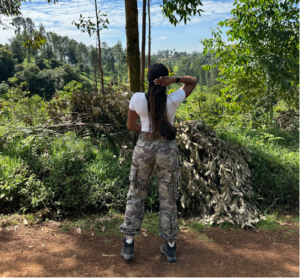
Boasting a diverse population of 4.5 million, Nairobi stands as East Africa’s most cosmopolitan city. One remarkable feature of this urban metropolis is its proximity to Nairobi National Park, a true wilderness area. This park is like no other in the world, as it sits in stark contrast to the bustling city life that surrounds it. It uniquely illustrates the human-wildlife conflict that many African communities face as they learn to coexist with wildlife in their immediate surroundings.
Where we stayed
- Sankara Nairobi: Autograph Collection offers personalized experiences tailored to each guest, incorporating creative design and local elements. Located in the bustling Westlands area, this hotel is in close proximity to major attractions such as The Village Market, Nairobi National Park, and KICC.
- Tribe Hotel: Offers luxurious guestrooms and suites that blend rich deep colors with natural elements and handmade wooden furniture. The hotel also provides world-class amenities and new age technology that complement local fabrics and artifacts.
Where we ate
- Cultiva Kenya: After checking into our hotel, this was our first stop for lunch. It is one of Nairobi’s best farm-to-table restaurants. Here you can enjoy sustainable cuisine and locally sourced ingredients with an unforgettable dining experience.
- The Deck: Here we had our dinner on the first night. Located just 30 minutes from the city, The Deck is a luxurious resort that boasts stunning views of a water lagoon and Giraffe Sanctuary forest. The idyllic setting makes it the perfect place for a romantic evening.
- Jiko Restaurant: We enjoyed brunch at Tribe Hotel’s restaurant. Jiko’s seasonal menu takes inspiration from open flame grilling and highlights the crisp flavors and fresh, organic ingredients from local farms. While remaining authentic to its roots, Jiko adds a playful twist to its presentation, infusing whimsy and fantasy into the dining experience.
- Beit É Selam: For dinner we went to this beloved community bar and restaurant, located in Nairobi’s Westlands neighbourhood, that offers a warm, positive energy and an eclectic mix of modern and vintage pan-African decor. Guests can choose to dine in the garden courtyard or indoor space with a fireplace. Drawing on various culinary traditions from around the continent, the menu delivers a range of delicious dishes and contemporary cocktails, along with a smart wine and beer collection that represents the epitome of African hospitality.
What we did
- Gatura Greens: Discover the World’s First Purple Tea Farm. Here we experienced the beauty of an authentic Kenyan Tea Farm Tour where we got to pick tea leaves. This award-winning farm tour promises to be an unforgettable adventure.
Kenya: Maasai Mara (Day 3-4)
The Maasai Mara, or simply the Mara, is an expansive reserve covering 1,510 km² (583 mi²) and is often regarded as the finest in Africa. With a backdrop of the Siria Escarpment in the west, it boasts sweeping savannas, lush riverine woodlands, and forests on a seemingly flat terrain that stretches eastwards towards the Sekenani Hills and northwards towards the Aitong Hills.
Where we stayed
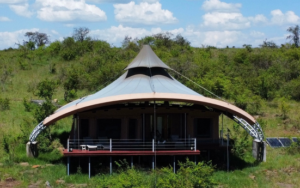
- Mahali Mzuri: This luxury tented camp is located in the heart of Kenya’s Maasai Mara ecosystem, in the Olare Motorogi Conservancy, in the path of the world-famous annual Great Migration, enjoy a front-row view of the area’s abundant wildlife. The camp boasts 12 uniquely designed, spacious, and luxurious tents, exciting game drives, delicious meals, and a cozy atmosphere. The central Main Tent features an outdoor infinity pool, lounge area, library, and a large deck that provides the perfect setting for breakfast and lunch. Relax in your private ensuite tent equipped with a plethora of amenities and complete with a large deck with a spacious seating area offering stunning views.
What we did
- Game Drive: Discover the incredible richness of wildlife that surrounds you at Olare Motorogi Conservancy. Take in breathtaking views and animal sightings that will amaze you. With the help of experienced Field Guides, we were able to witness firsthand the awe-inspiring performances of nature. The area is home to several lion pride territories, making for fascinating encounters as they compete for dominance.
- Maasai Community Experience: After our safari adventure, we took a ten-minute ride to a nearby village where you’ll have the opportunity to learn about the Maasai families and their cultural traditions. Our guide led the way, providing a tour of the village and an introduction to its local customs. Some highlights:
- Take a guided tour of a traditional house and the cattle holding area, integral to Maasai life
- Engage in a basic lesson in Maa, the Maasai language
- Visit the local market on Thursdays to experience the vibrant trade
- Enjoy traditional activities such as archery, wrestling, and warrior-style jumping, offering a glimpse into Maasai warrior culture and traditions
Uganda: Entebbe (Day 5)
Off to Uganda with a brief stop in Entebbe!
Thirty-five kilometers south of Kampala, Entebbe is situated on the shores of Lake Victoria and is home to Uganda’s sole international airport. Entebbe offers a charming entry point to Uganda and exudes a more relaxed atmosphere compared to the bustling capital city. Like us, visitors usually opt for a brief stay in Entebbe, often for an overnight stop before or after a flight. For those with extra time to spare, a visit to the botanical gardens comes highly recommended.
Where we stayed
- Kampala Serena Hotel: Located in the heart of Kampala, this hotel attracts guests in search of luxurious 5-star experiences. Spread across 17 acres of beautifully landscaped water gardens, The Kampala provides sophisticated lodging, exquisite cuisine, and a Moroccan-inspired spa.
Where we ate
- Café Javas: For dinner we hit this small African-based chain that offers a complete and fast-casual dining experience. The restaurant prides itself on providing customers with a friendly and warm atmosphere.
Uganda: Bwindi Impenetrable Forest (Day 6-8)
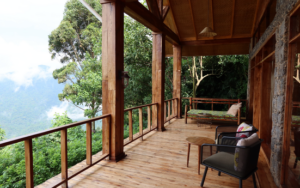
We took the scenic route via Equator Point Uganda with Pamoja Tours, this was a 9-10hr journey.
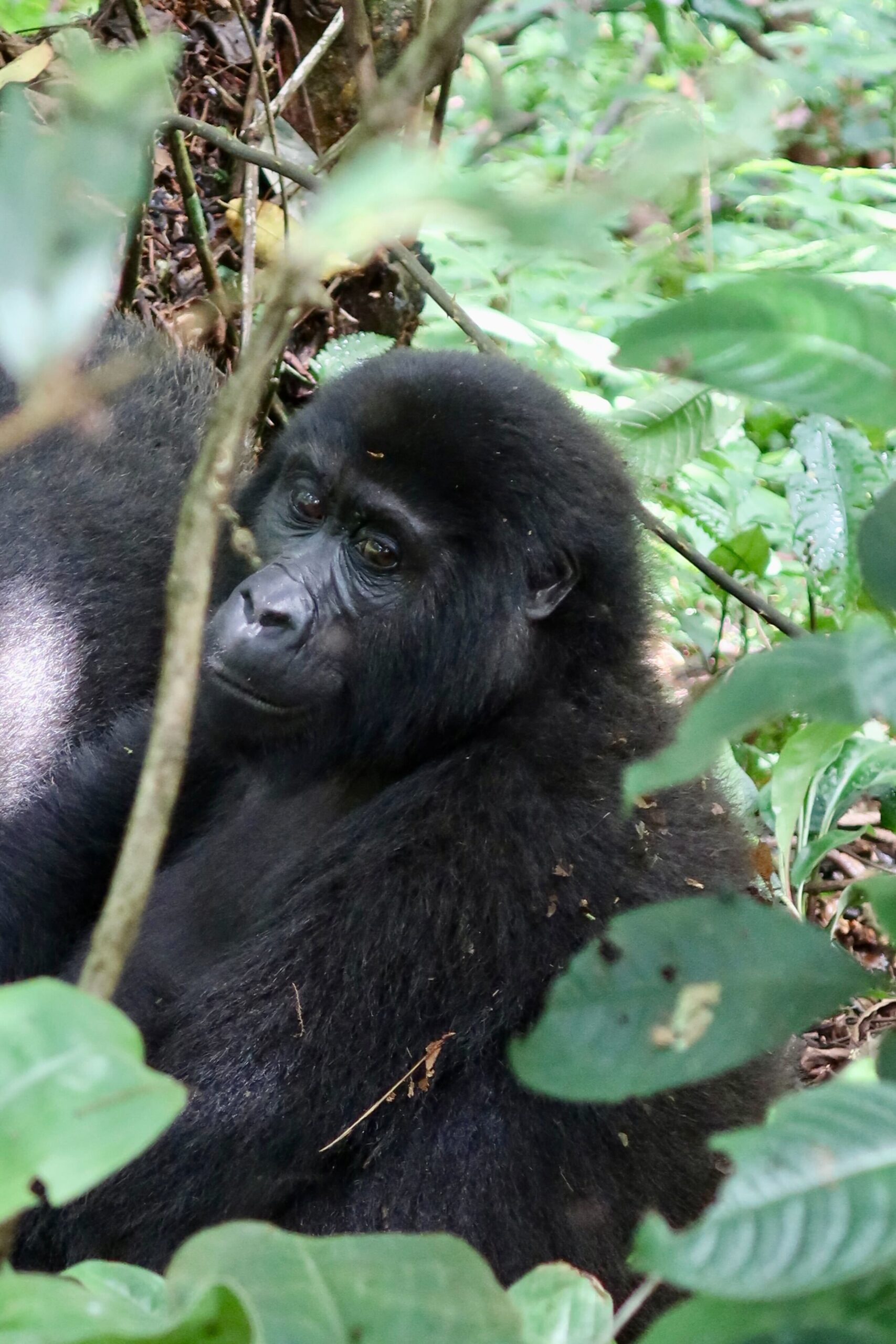
The park not only features gorillas but also showcases 120 mammal species such as elephants and antelopes, along with over 350 bird species. It is renowned for being one of the most biologically diverse regions globally, among Uganda’s oldest and most diverse rainforests, with a history dating back over 25,000 years and housing nearly 400 plant species. The park offers stunning scenery, with lush bamboo forests and hardwoods creating a truly spectacular landscape.
Where we stayed
- Nkuringo Bwindi Gorilla Lodge: After a long day of travel, we arrived at this award-winning eco-lodge where we spent the next three nights. Situated in the southern region of Bwindi Park in Uganda, this lodge serves as a fantastic retreat and a starting point for gorilla trekking adventures. The lodge offers a range of accommodations, including private garden cottages, family villas, luxurious suites, two dining and lounge areas, and a spa, all offering picturesque vistas of the Virunga Volcanoes and Bwindi Forest. We stayed in one of the three luxurious Forest Suites with elegant volcano stone construction by local artisans. Each suite boasts a spacious bathroom with a scenic bathtub overlooking Bwindi, African-inspired decor, furniture, a fireplace, and a large outdoor sitting area. Additionally, each suite offers a private butler and exclusive room service for a personalized experience.
What we did
- Mountain Gorilla Trekking: Here are a few things I wish I knew before we embarked on this journey.
- Each trek requires a permit; they’re $700/pp in Uganda.
- Every trek is different since the gorilla families move around a lot; you can walk anywhere from 30 mins to 2 hours to find yours.
- Bug spray only repels some bugs but it attracts wasps (learned this the hard way).
- The terrain is intense but you can pay $20 for a porter who will help you and carry any supplies, bags, equipment you bring. We didn’t get a porter because we had only one bag between the two of us (lunch + waters mostly), but after I got stung by two wasps the guides ended up helping me walk in some places so I think we were fine without.
- Wear layers and buy gators. I got so hot but having the rain jacket was clutch.
- Batwa Cultural Experience: The Batwa people established this educational experience to pass on their remarkable heritage and traditions to their children and the world. Being one of the earliest ethnic groups in Uganda, the Batwa offer a unique insight into their culture. The journey commences with a nature walk, immersing you in the forest and its treasures through the eyes of the forest’s original inhabitants. In 1992, the Batwa faced drastic changes when the forest was designated a national park and UNESCO world heritage site to safeguard the endangered mountain gorillas. Consequently, they were displaced and struggled as conservation refugees in an unfamiliar world.
- Explore the forest alongside Batwa guides, gaining a new perspective on the environment and its inhabitants.
- Experience traditional hunting techniques with guidance from the Batwa experts.
- Visit a traditional Batwa home to learn cooking methods from the women and sample their dishes.
- Engage with a medicine man to discover the forest’s medicinal plants.
- Listen to ancient tales and traditional songs, immersing yourself in their culture.
Mozambique: Maputo (Day 9-10)
Travel day to Mozambique with a brief stop in Maputo!
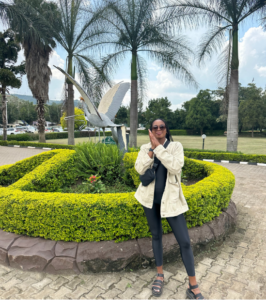
Where we stayed
- Radisson Blu Hotel: Located on the well-known beachside avenue that stretches along the Maputo seafront, this hotel offers breathtaking views of the Indian Ocean. Situated less than 10 kilometers from both Maputo city center and Maputo International Airport, we had convenient access to attractions like Inhaca Island, Maputo Elephant Reserve, and Kruger National Park.
What we did
- Flavours of Mozambique Food Tour: We embarked on a food tour that guided us through a flavorful culinary adventure from across the nation. Highlights of this tour include sampling traditional street food like Badjia (ben dumplings fried in oil), Matoritor (a coconut sweet), and spicy Piri Piri. I quenched my thirst with refreshing sugarcane juice and fresh coconut water (my fave) along the way. This was a 4 hour tour from 1-5pm.
Mozambique: Ponta Mamoli (Day 11-14)
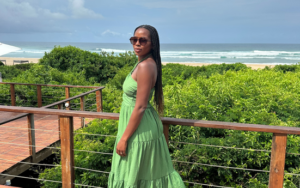
Located in the dense coastal forest in the southern region of Mozambique, Ponta Mamoli stands out as one of the most stunning beach destinations in the country. Its towering forested dunes and secluded location bear resemblance to South Africa’s iSimangaliso Wetland Park, a UNESCO World Heritage Site just 10km to the south. Ponta Mamoli is conveniently close to Ponta do Ouro, a well-known resort village renowned for its diving, snorkeling, and deep-sea fishing, as well as the wildlife-abundant Maputo Special Reserve.
Where we stayed
- White Pearl Resorts Ponta Mamoli: After a week of nonstop travel and exciting adventures, wefinally enjoyed a much-needed relaxing 4 night stay here. The property is nestled in a serene bay on Mozambique’s lagoon coast. Theresort features stunning ocean views and over 2 km of peaceful beach, enveloped by stretches of native vegetation. Drawing inspirat
ion from the diverse coastal ecosystem and stunning Indian Ocean reefs, the guest areas offer a laid-back and stylish beachside ambiance complete with a vibrant beach bar. This all-inclusive resort provides a variety of activities such as ocean safari, swimming withdolphins, snorkeling, scuba diving, horse riding, turtle walks, beach picnics, spa treatments, fishing, and more. Our stay was in one of the sixteen King Pool Suites, each facing the ocean and featuring private plunge pools, a covered deck, outdoor shower, a stylish living area and a luxurious ensuite bathroom.
Namibia: Windhoek (Day 15)
Travel day to Namibia with a brief stop in Windhoek!
Where we stayed
- Weinberg Hotel: Located in the upscale Klein Windhoek neighborhood, just 30 minutes from Hosea Kutako International Airport, The Weinberg establishes a new standard for luxury lodging in Namibia’s capital. With only 41 rooms, this intimate boutique hotel guarantees personalized, attentive, and detail-oriented service for all guests.
Where we ate
- Butcher Block Steakhouse: This upscale restaurant is located within the Weinburg Estate. They pride themselves on delivering premium-quality steaks, bursting with flavor, and perfectly complimented by their impressive selection of wines.
Namibia: NamibRand Nature Reserve (Day 16-18)
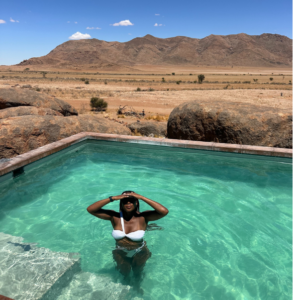
You won’t come across the Big Five roaming the challenging NamibRand desert, but the dunes provide a habitat for diverse wildlife that has adapted remarkably to thrive. For instance, consider the gemsbok with their heat-reflecting white bellies and intricate vascular system that regulates blood temperature around the brain. Similarly, the bat-eared fox’s large ears serve a purpose beyond comedy; they enhance their ability to detect approaching predators.
Where we stayed
- Zannier Hotels Sonop: The spirit of adventure thrives at Zannier Hotels Sonop, where the luxurious tented camp in Namibia’s southwest region evokes the essence of British explorers from the 1920s. Situated atop granite boulders within a 13,800-acre pristine wilderness, Sonop offers daily wildlife sightings. The lodge offers amenities such as an open-air infinity pool, spa, fitness center, and daily yoga sessions, all aimed at integrating guests’ well-being with nature. For those seeking desert adventures, guided activities include horseback riding, private dining on sand dunes, electric fat-bike or walking tours, hot air balloon safaris, and private sunset excursions. Evenings are filled with magic, featuring gala-style dinners, open-air cinema screenings, and stargazing beneath the vast African sky. The eight 1-bedroom tents, perched on boulders overlooking the expansive Namib Desert are equipped with items to enhance your experience like binoculars and maps, travelers’ tales, telescopes, antique desks and even handmade stationary.
What we ate
- Sonop Dune Dinner: We indulged in a romantic, starlit dinner in absolute seclusion. Illuminated by paraffin lanterns and a candelabra, under the glow of the vast Galaxy above. The elegant safari-style table is embellished with luxurious safari accents from the early 20th century. A waiter in white gloves attends to you, serving water and a selection of wines. Your personal Chef leads you on a culinary voyage with a four-course menu inspired by the opulence of African safaris. Engage in delightful conversations, let your imagination soar, and marvel at the stars while listening to captivating stories of legendary explorers.
What we did
- Sossusvlei Exclusive Safari: We embarked on a remarkable 9.5-hour desert expedition, starting at four-thirty in the morning. The early departure fades away as we reached the world’s oldest and biggest sand dunes during the enchanting “golden time” just after sunrise. Sonop’s deluxe 4WD with its noise-canceling interior, allowed us to immerse ourselves in the awe-inspiring desert scenery. The addition of classical music elevated the experience as we observed the captivating shift from night to dawn. After taking a quick look around and snapping some photos, our Chef invited us to sit down and satisfy our increasing hunger. An experience like this calls for celebration, and that’s why a couple of chilled glasses of Champagne added to the enjoyment of the moment.
Namibia: Windhoek (Day 19-20)
Translated from the Afrikaans language, “Windhoek” means “Wind Corner” and serves as Namibia’s capital and largest city. The city is served by Hosea Kutako International and Eros Airports, along with Namibia’s well-connected road network, facilitating access to various parts of the country despite the vast distances. Strategically located, Windhoek acts as a central point that connects major coastal towns to the country’s core and is linked to South Africa and Botswana through well-kept national roads.
Where we stayed
- Voigtland Guesthouse: Built around 1900, blends old-world charm with modern style. It is set on a hillside surrounded by trees and gardens which offers many activities. The guest house features four cozy roomswith a mix of African and European furnishings. Guests can also enjoy freshly prepared meals throughout the day.
What we did
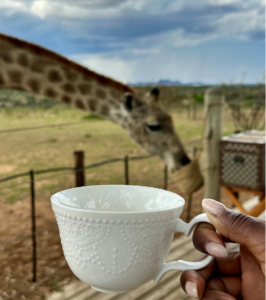
- Giraffe High Tea: One of the standout experiences at the hotel is their lavish high-tea service, paired with an extraordinary giraffe feeding encounter right next to your table. This was an exceptional 10/10 experience, and all the food is sourced locally!
TLDR Travel Recap
Country |
Flights |
Hotels |
|
Kenya |
|
|
|
Uganda |
|
|
|
Mozambique |
|
|
|
Namibia |
|
*You can book directly but for more support we planned with Lona Cosmas and Pamoja Tours and Travel (East Africa) for our unforgettable trip.
Check out my other blog posts for more Africa travel tips!
Essential Guide: Top 10 Things to Know Before Traveling to Africa
Exploring Nairobi: A Vibrant African Metropolis
Our Honeymoon: Travel Essentials Guide
Namibian Adventures: A 5-Day Journey through Extraordinary Landscapes
Wanderlust Unleashed: Top 11 Visa-Free Destinations in Africa for US Citizens
3-Day Nairobi Adventure: Embracing the Heart of Kenya
Unveiling Uganda: A 5-Day Adventure from Kampala to Bwindi
Unwind in Style: 10 Luxurious Hotels in Africa for an Unforgettable Getaway
Leave a Reply
Sign up for the newsletter to get flight tips and accommodation inspiration, straight to your inbox every other week. Get the BIPOC Biz Guide when you subscribe!